

Zomato notification marketing works because it rarely feels like marketing. Most people don’t open the app because of discounts alone anymore — they open it because the brand has slowly trained users to expect personality, timing, humor, and emotional familiarity inside something as ordinary as a phone notification.
That shift matters more than many marketers realize.
For years, push notifications were treated like digital reminders. Functional. Forgettable. Often annoying. But brands like Zomato changed the emotional texture of notifications entirely. They turned tiny mobile interruptions into moments of entertainment, relatability, and even cultural participation.
In a crowded attention economy, that’s not a small achievement.
Why Zomato Notification Marketing Feels Human
Most app notifications sound like systems talking to users.
Zomato sounds like a person texting you at the right moment.
That difference explains a lot.
Instead of aggressive conversion language, the brand often uses observational humor, late-night cravings, memes, cricket references, or emotionally familiar situations. The notification doesn’t immediately demand action. It earns attention first.
This is where many brands misunderstand modern engagement. People are exhausted by optimization-heavy communication. Human-toned communication stands out precisely because it feels less optimized.
How Timing Became Part of the Personality
One underrated aspect of Zomato notification marketing is contextual timing.
Notifications arrive during:
- late-night scrolling hours
- rainy evenings
- IPL matches
- weekend laziness
- salary weekends
The app doesn’t just understand food behavior. It understands emotional patterns around food.
That creates familiarity.
And familiarity quietly builds trust.
Zomato Notification Marketing and Internet Culture
The smartest thing Zomato understood is that internet culture rewards participation, not perfection.
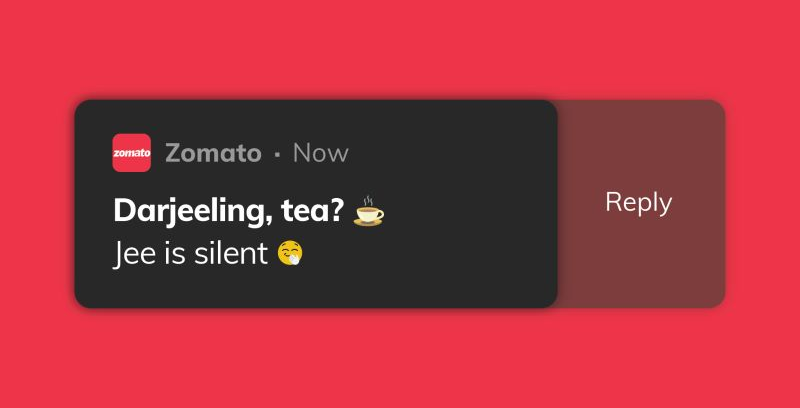
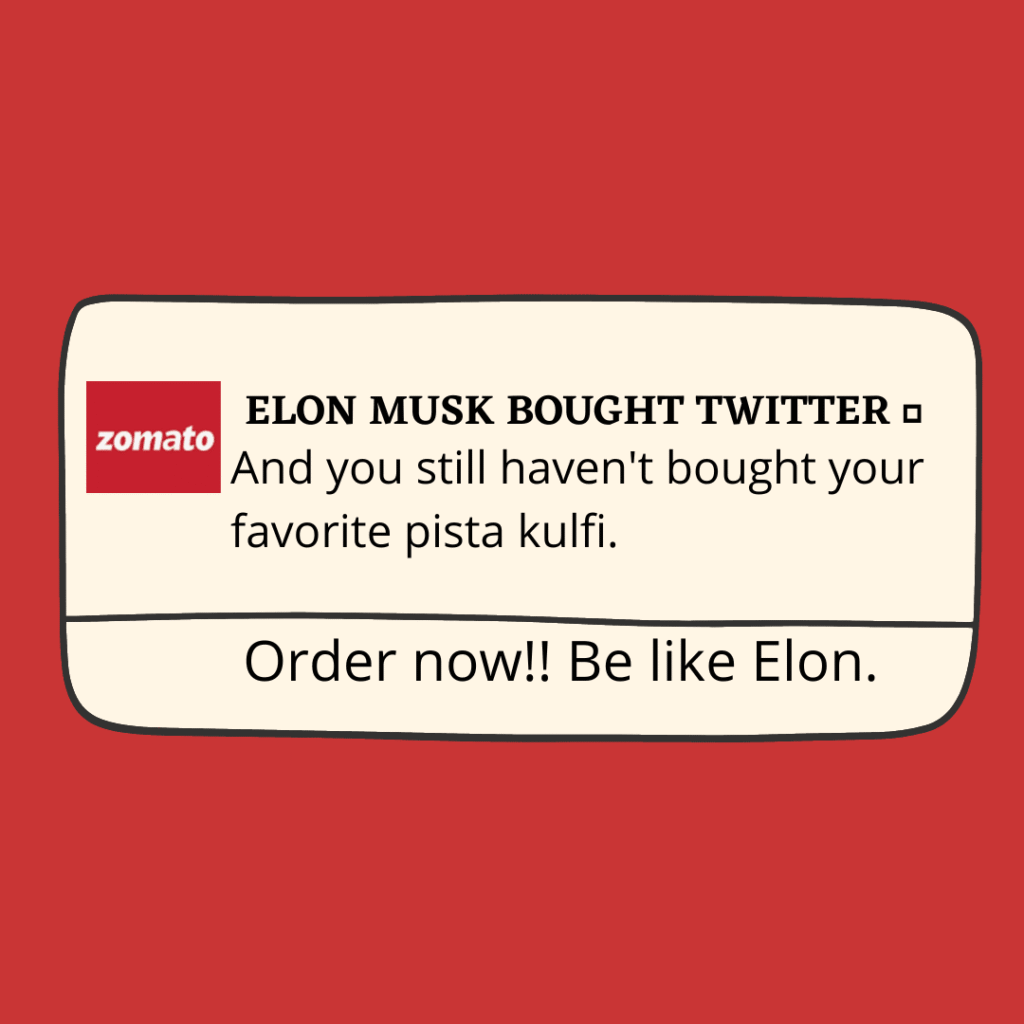
The brand’s notifications often sound like tweets, meme captions, or inside jokes from social media culture. That makes the communication feel native to digital behavior instead of interruptive advertising.
Brands like Netflix and Duolingo operate similarly online. They blur the line between entertainment and marketing. Zomato simply adapted that behavior into app notifications.
Why Younger Audiences Respond to Conversational Brands
Gen Z and younger millennials grew up surrounded by advertising. They instantly recognize polished corporate messaging.
Ironically, brands now feel more trustworthy when they sound less corporate.
That’s why conversational copywriting works. It reduces emotional distance between brand and user.
And Zomato does this consistently.
The Psychology Behind Zomato Notification Marketing
Good branding often succeeds before consumers consciously notice it.
That’s exactly what happens here.
Zomato notification marketing succeeds because it triggers emotional familiarity rather than transactional urgency. Humor lowers resistance. Relatability increases memory retention. Casual language creates psychological comfort.
People rarely share discount notifications online.
They share notifications that made them feel understood.
That distinction explains why screenshots of Zomato messages regularly circulate across platforms like Instagram and X.
The marketing becomes socially distributable content.
That’s a very different level of engagement.
What Most Brands Misunderstand About Brand Personality
Many companies think brand personality means being funny online.
It doesn’t.
Real brand personality comes from consistency.
Zomato’s tone feels recognizable whether you see:
- a push notification
- an Instagram caption
- an app banner
- a tweet during a cricket match
That consistency creates identity memory.
One subtle observation here: people don’t emotionally connect with brands because brands are perfect. They connect because brands feel recognizable.
That’s why overly polished marketing often performs worse today than slightly imperfect, culturally aware communication.
The Emotional Layer Most Marketing Teams Ignore
Food is emotional.
Ordering food is emotional too.
Sometimes users order because they’re celebrating. Sometimes because they’re tired, lonely, stressed, or simply avoiding cooking after a long day.
Zomato’s communication occasionally acknowledges those emotional realities without overdoing sentimentality. That restraint matters.
Modern audiences notice when brands try too hard to sound emotional.
What Creators and Startups Can Learn From Zomato Notification Marketing
Not every brand needs humor.
But every brand needs emotional clarity.
Here’s what founders and marketers can realistically learn:
Build Recognition Before Conversion
Memorable communication compounds over time.
If every notification sounds purely promotional, users mentally filter the brand out.
Write Like Real Humans Talk
Shorter sentences. Cultural awareness. Emotional timing.
Not corporate jargon.
Respect Attention
One reason Zomato works is because the tone often feels lightweight instead of demanding.
That creates long-term retention.
Interestingly, some of the best-performing modern brands behave more like creators than advertisers. That’s becoming increasingly true across apps, startups, and media companies.
Why This Strategy Works Beyond Food Delivery
The deeper lesson isn’t about notifications.
It’s about emotional positioning.
In markets crowded with similar products, personality becomes differentiation. Not artificial personality — recognizable human energy.
That’s why people remember certain brands even when competitors offer similar prices or features.
And honestly, this reflects a broader shift happening across digital culture. Audiences are becoming more emotionally selective with attention. They reward brands that feel culturally fluent, self-aware, and emotionally intelligent.
The brands winning today often sound less like companies and more like participants in internet culture.
Conclusion
Zomato notification marketing proves that branding no longer lives only in ads, logos, or campaigns. Sometimes it lives inside tiny moments people weren’t even expecting to notice.
That’s what makes the strategy powerful.
The notifications work because they understand something deeper about modern audiences: people don’t just engage with useful brands anymore. They engage with brands that feel emotionally familiar.
And in a world overloaded with noise, familiarity is becoming one of the most valuable marketing assets a company can build.
If you’re building a startup, creator brand, or digital product, that’s probably the real lesson worth paying attention to.