
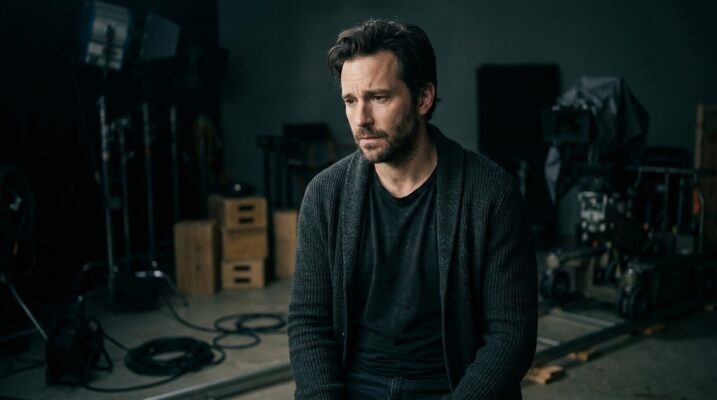
Silent performances are becoming some of the most unforgettable moments in modern cinema. In an era filled with loud franchises, rapid dialogue, and overstimulated storytelling, audiences are increasingly connecting with actors who communicate emotion without saying much at all.
That shift feels bigger than acting technique alone. It reflects how viewers now crave emotional honesty, visual depth, and moments that trust them enough to sit in silence. Interestingly, the quietest scenes in recent films often leave the strongest emotional mark.
Why Silence Feels More Powerful Today
Modern audiences consume enormous amounts of content every day. Between short-form videos, streaming overload, and constant notifications, attention rarely slows down naturally.
Because of that, silence inside a film now feels almost disruptive in the best possible way.
When a director allows stillness to exist on screen, viewers suddenly become more aware of facial expressions, body language, and emotional tension. Instead of being told what to feel through dialogue, audiences begin interpreting emotion themselves.
That participation creates deeper engagement. People remember scenes they emotionally experienced, not just scenes they watched.
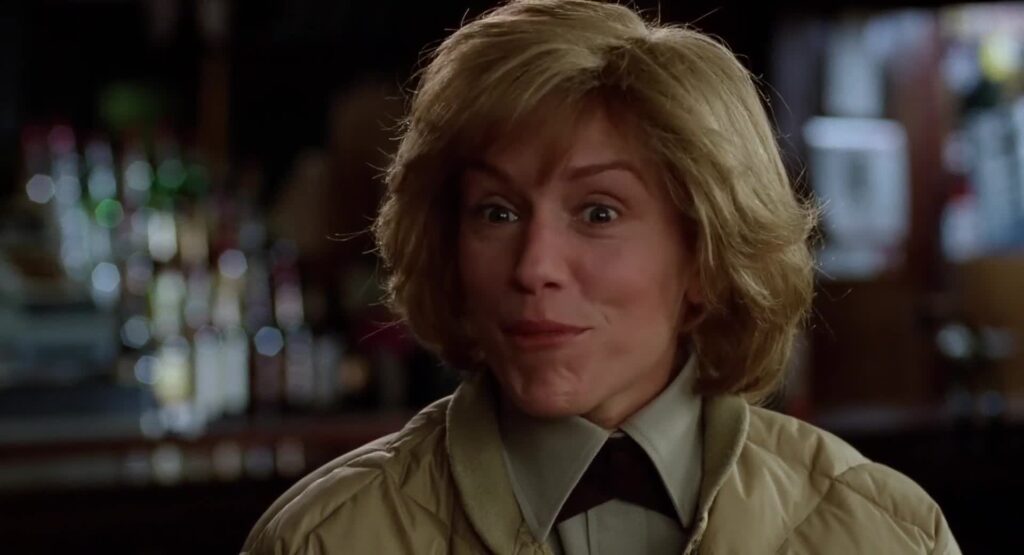
Silent Performances Often Reveal Emotional Truth
Some actors understand that restraint can feel more human than dramatic expression.
When Quiet Acting Becomes More Intimate
Cillian Murphy in Oppenheimer spends large stretches communicating through silence, discomfort, and restrained physical tension. The performance works because it trusts micro-expressions more than speeches.
Similarly, Ryan Gosling in Drive became iconic partly because the character felt emotionally unreadable yet strangely vulnerable. His pauses carried as much meaning as dialogue.
Audiences often connect with these performances because real emotions rarely arrive as polished monologues. In reality, people hesitate, suppress feelings, and communicate through silence all the time.
Modern Filmmaking Is Becoming More Visual Again
Cinema originally began as a visual medium. Long before dialogue dominated storytelling, filmmakers relied on movement, atmosphere, framing, and facial expression.
Interestingly, modern directors are returning to that philosophy.
Silent Performances and Visual Storytelling
Directors like Denis Villeneuve and Christopher Nolan frequently allow scenes to breathe without excessive exposition. Their films trust visual composition, sound design, and emotional pacing.
That creative confidence changes how performances feel. Actors no longer need to explain every internal emotion verbally. Instead, viewers absorb emotion through cinematic texture.
Even streaming audiences, who are often accused of having shorter attention spans, respond strongly to this approach when it feels emotionally authentic.
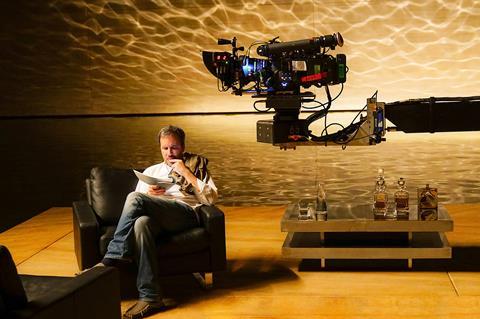
Audiences Are Growing Tired of Overexplained Emotion
One subtle problem in modern entertainment is the fear of ambiguity.
Many films and series constantly explain motivations, emotions, or themes because studios worry audiences will lose attention otherwise. However, excessive explanation can make stories feel emotionally flat.
Silent performances work because they leave interpretive space.
Viewers instinctively lean closer when a character says less. Human curiosity naturally fills emotional gaps. That interaction creates intimacy between audience and performance.
In many ways, silence respects audience intelligence.
The Best Silent Performances Feel Deeply Human
Not every quiet performance succeeds. Some simply feel emotionally empty. The difference usually comes down to emotional presence.
Stillness Can Create More Tension Than Dialogue
Frances McDormand in Nomadland often communicates loneliness through observation rather than conversation. Small gestures suddenly feel enormous because the film slows down enough to notice them.
Meanwhile, Past Lives became emotionally devastating partly because its silences felt unresolved and painfully realistic. The pauses between characters carried emotional history words could not fully express.
That emotional realism matters today because audiences increasingly value authenticity over performance theatrics.
Social Media May Have Quietly Influenced Acting Styles
Interestingly, platforms like TikTok and Instagram changed how people observe emotion online.
Modern audiences are constantly analyzing facial expressions, subtle reactions, and unspoken tension through clips, edits, and close-up visual storytelling. As a result, viewers have become surprisingly skilled at reading nonverbal emotion.
That cultural shift may explain why subtle acting resonates more strongly now than overly theatrical performances.
People no longer just hear performances. They study them visually.
Conclusion
Silent performances are rising because modern audiences are searching for emotional sincerity in a world overwhelmed by noise.
The best actors today understand that vulnerability does not always need explanation. Sometimes a glance, a pause, or a restrained reaction can communicate more than pages of dialogue ever could.
Cinema feels more immersive when filmmakers trust silence instead of fearing it. And honestly, that creative restraint may be one of the most refreshing shifts in modern storytelling right now.