
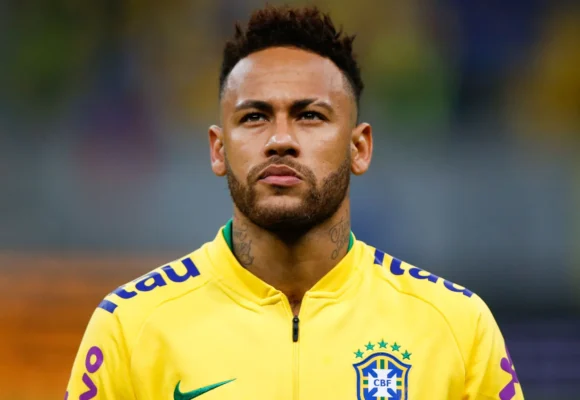
Some athletes return to the game. Others return to culture itself. The story of Neymar’s return feels bigger than football because, for many fans, he represents an era, an emotion, and a version of joy modern sports rarely slows down long enough to hold onto.
For a generation raised on YouTube compilations, late-night UEFA highlights, and street-football creativity, Neymar was never just another player. He felt expressive in a sport increasingly obsessed with systems, discipline, and statistics. Even now, long after injuries and criticism changed public perception, people still watch him with something close to nostalgia.
Why Neymar’s Return Still Feels Bigger Than Football to Fans
Modern football moves fast. Players become trends almost overnight, and social media accelerates that cycle even more. Yet Neymar somehow stayed emotionally relevant even during long absences.
Part of that comes from timing. His rise happened during a period when football still felt slightly less polished online. Fans remember watching grainy Santos clips on Facebook, recreating his skills in school grounds, or debating his future move to late into the night.
That emotional memory matters because sports audiences today don’t just follow performance. They follow feeling.
Neymar’s Return Still Feels Bigger Than Football in the Social Media Era
There’s a reason clips of Neymar trends instantly across TikTok, Instagram Reels, and X even after months away from the pitch. His football translates visually.
A perfectly timed dribble travels further online than tactical intelligence ever will. Meanwhile, younger audiences connect more deeply with personality-driven athletes who feel expressive rather than robotic.
Why Neymar’s Return Still Feels Bigger Than Football for Gen Z
Gen Z sports audiences grew up during the era of creators, streamers, and highly visible personalities. Consequently, they often value authenticity and emotional expression as much as trophies.
Neymar fits that world naturally.
He dances after goals, jokes with teammates, streams games online, and sometimes looks emotionally vulnerable in public. Unlike athletes who carefully maintain polished corporate personas, Neymar often feels unpredictable and human.
That makes people emotionally invested in him, even when they disagree with him.
The Injuries Changed the Story Around Neymar
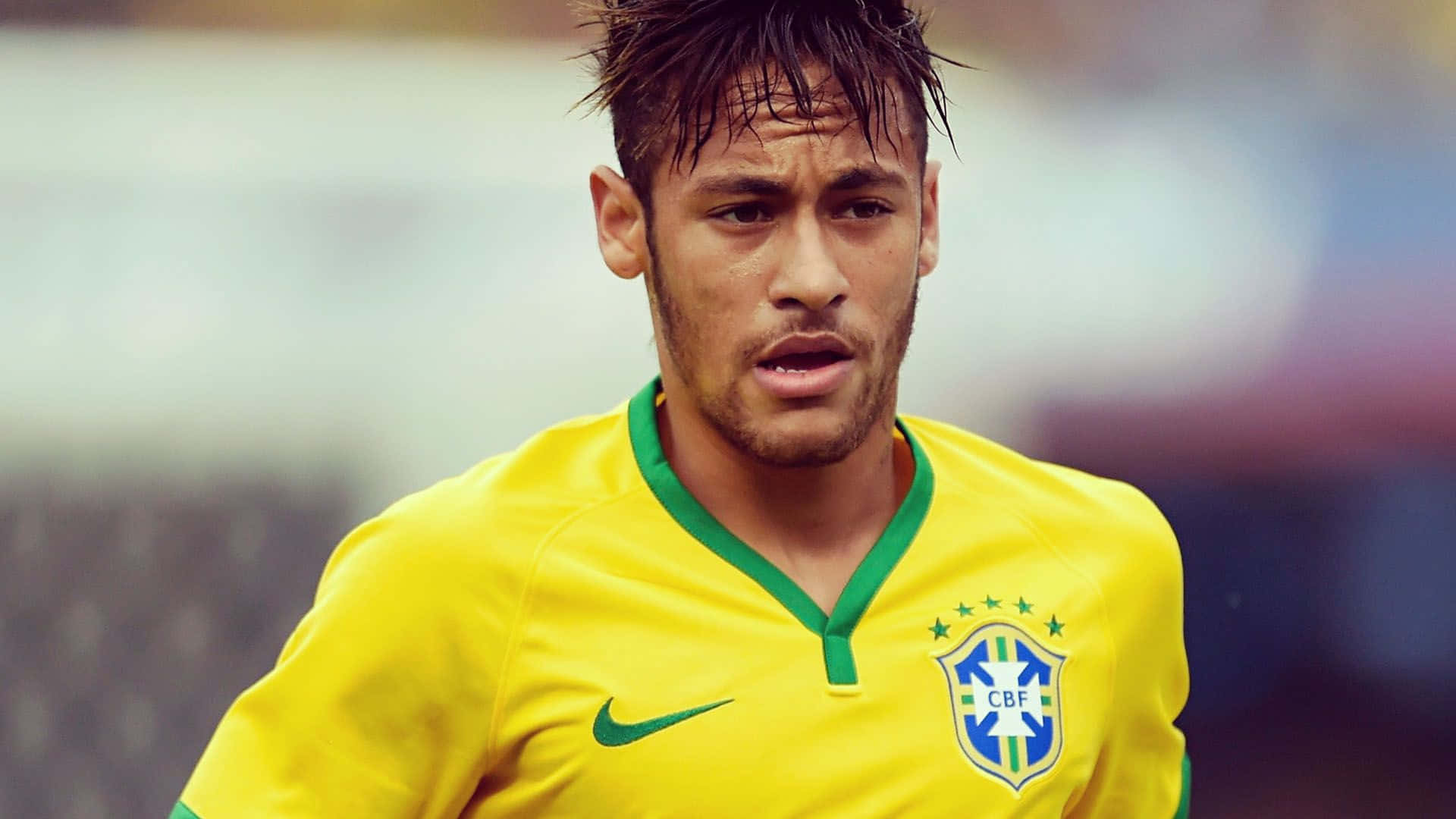
Every iconic athlete eventually becomes part achievement and part “what if.” For Neymar, injuries reshaped the public conversation around his career.
At one point, he looked destined to dominate football alongside Lionel Messi and Cristiano Ronaldo for much longer. Instead, recurring injuries created interruptions that fans still talk about with frustration.
However, those setbacks also made him strangely more relatable.
Most people understand what it feels like to lose momentum in life. That’s why Neymar’s return resonates emotionally. It mirrors the universal desire to reclaim something that once felt effortless.
Football Feels More Controlled Now
One subtle reason Neymar still stands out is because football culture has changed.
Today’s game often rewards structure over improvisation. Managers prioritize positioning, pressing systems, and tactical discipline. As a result, pure flair players feel rarer than they once did.
Watching Neymar at his best reminds fans of a more playful version of football.
Creativity Still Matters in Modern Sports
There’s something culturally important about athletes who create rather than simply execute. You can see similar emotional reactions around athletes like Stephen Curry in basketball or creators who build identity through style instead of perfection.
Neymar’s appeal exists in that same emotional space.
People don’t only remember the goals. They remember how he made football feel.
Why Emotional Athletes Stay Relevant Longer
Sports history usually remembers athletes who created emotion, not just efficiency.
That’s why documentaries like The Last Dance connected so deeply with audiences beyond basketball fans. Viewers weren’t just watching victories. They were watching pressure, personality, ambition, and vulnerability.
Neymar exists inside a similar emotional conversation.
Even critics who question parts of his career still pay attention because emotionally expressive athletes create lasting cultural memory. Silence rarely does.
One interesting observation about modern fandom is this: audiences often forgive inconsistency faster than they forgive boredom.
Neymar was never boring.
Neymar’s Return Still Feels Bigger Than Football Because It Represents Memory
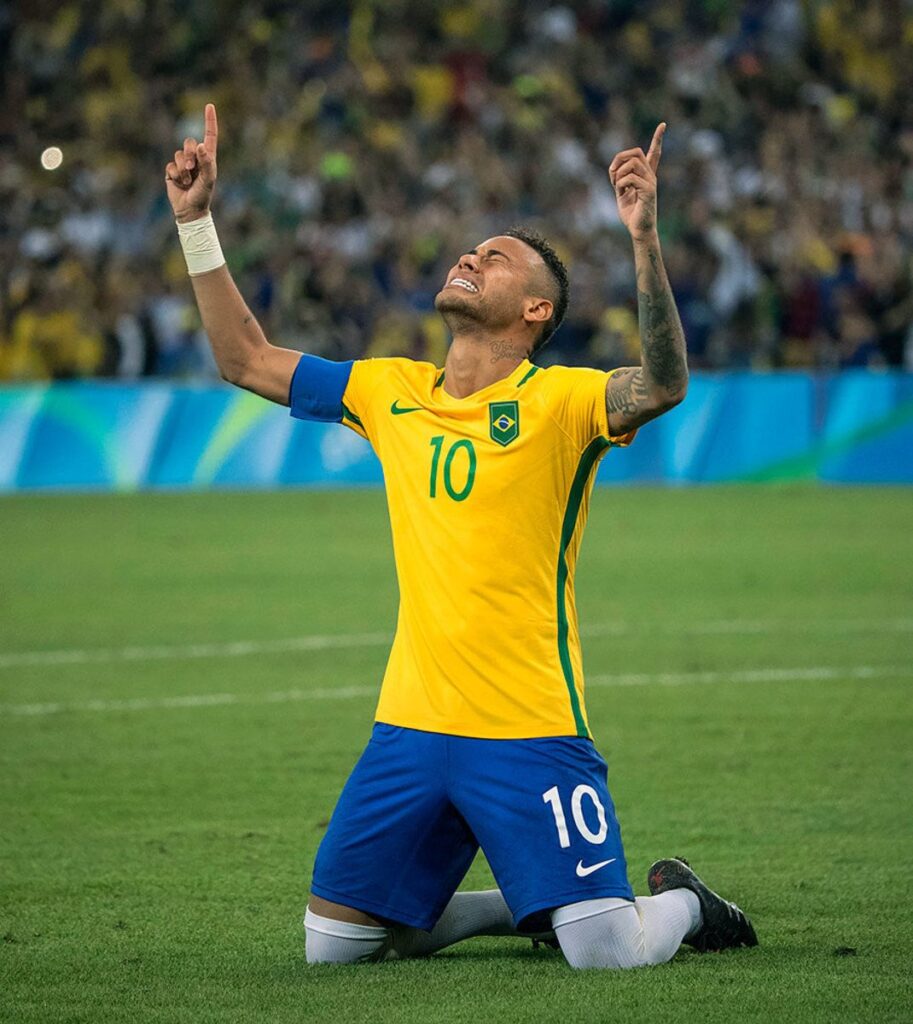
For many fans, Neymar’s return reconnects them with earlier versions of themselves.
It reminds them of watching football with friends after school, staying awake for Champions League nights, or believing sport could still feel artistic instead of optimized. That emotional association matters more than statistics ever will.
In many ways, Neymar represents the final years before football became fully algorithm-driven content.
That’s why even casual audiences pause when he returns. They are not only watching a player. They are revisiting a feeling.
Conclusion
Neymar’s career will probably remain one of football’s most debated stories. Some will focus on injuries. Others will focus on unrealized potential. Still, millions continue watching because emotional connection outlasts perfect narratives.
And maybe that’s the deeper reason Neymar’s return still feels bigger than football.
It reminds people that sports are not only about winning. Sometimes they’re about expression, memory, identity, and the rare athletes who make the game feel alive in ways statistics cannot fully explain.
If you enjoy reflective sports storytelling like this, explore more articles on football culture, athlete psychology, and the emotional side of modern fandom.