
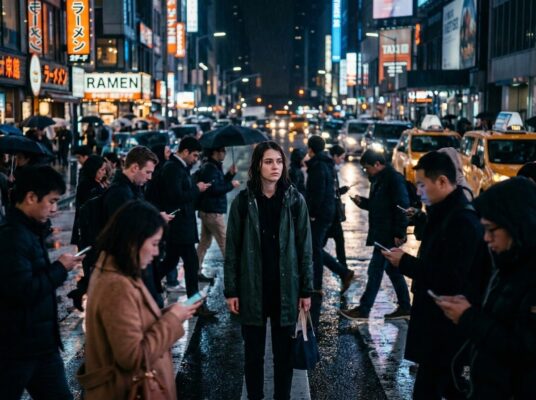
In many ways, digital loneliness has become one of the defining emotions of modern life. We have never been more visible to each other online, yet many people quietly feel more emotionally distant than ever before.
You can see someone’s vacation photos, their career updates, their gym routine, and even what coffee they ordered that morning. Still, when the phone screen goes dark, many people return to a strange silence that feels difficult to explain.
The internet promised connection. In some ways, it delivered exactly that. But somewhere between endless scrolling, performance-driven platforms, and algorithmic attention, something deeply human became harder to hold onto.
This is not really a story about technology alone. It is a story about emotional presence, attention, identity, and what happens when visibility starts replacing intimacy.
Why Digital Loneliness Feels So Different Today
Loneliness itself is not new. Human beings have always struggled with isolation. What feels different now is the contrast between constant online interaction and emotional emptiness.
Years ago, feeling disconnected usually came from physical distance. Today, people can spend entire days communicating without experiencing genuine closeness.
A group chat can stay active for hours while nobody says anything emotionally real.
Social feeds create the illusion of social abundance. However, emotional connection requires more than exposure. It needs vulnerability, attention, patience, and silence without distraction.
Digital Loneliness and the Pressure to Stay Visible
Modern internet culture rewards visibility constantly.
People feel pressure to post updates, share opinions, react quickly, and remain digitally present. Over time, this creates a subtle psychological shift. Instead of asking, “How do I feel?” many begin asking, “How am I being perceived?”
That difference matters.
The more identity becomes performance-based, the harder authentic connection becomes. Curated lives may attract attention, but attention alone rarely satisfies emotional needs.
The Emotional Cost of Always Being Reachable
Ironically, permanent accessibility often reduces emotional depth.
Conversations become fragmented. Notifications interrupt moments. People respond quickly but rarely fully.
Many young professionals experience this daily. They spend entire workdays messaging coworkers online, then still feel emotionally exhausted and oddly disconnected afterward.
Communication increased. Presence decreased.
How Digital Loneliness Changed Human Relationships
The internet changed not only how we communicate, but also how we emotionally interpret relationships.
Online interactions move fast. Real emotional understanding does not.
Friendships today often exist through reactions, memes, and short-form communication. Those interactions can still be meaningful, but they sometimes replace slower conversations that build emotional trust over time.
A person may know what their friend posted publicly while having no idea what they are privately struggling with.
Why Emotional Depth Gets Lost Online
Most platforms reward speed, stimulation, and engagement.
Emotional depth usually requires the opposite:
- patience
- listening
- vulnerability
- emotional discomfort
Those qualities rarely perform well in algorithm-driven spaces.
As a result, many conversations stay surface-level. People become informed about each other without truly feeling understood by each other.
That emotional gap quietly contributes to digital loneliness.
Real-Life Observation: The “Always Online” Friend
Almost everyone knows someone who appears constantly active online but feels emotionally distant in real life.
They post regularly. They reply instantly. They share stories every day.
Yet when deeper conversations begin, the interaction feels strangely thin or distracted.
This experience has become incredibly common in modern relationships. Visibility creates familiarity, but familiarity is not always connection.
Digital Loneliness and Social Media Identity
One reason digital culture feels emotionally exhausting is because online identity often becomes performative.
People learn what receives validation:
- confidence
- productivity
- aesthetics
- humor
- success
Naturally, they begin emphasizing those parts of themselves online.
The problem is not self-expression itself. The problem begins when people feel unable to show uncertainty, loneliness, confusion, or emotional complexity.
Why Imperfection Creates Real Human Connection
Interestingly, the moments that connect people most deeply online are often imperfect ones.
A vulnerable post.
A quiet confession.
An honest reflection without polished branding.
People emotionally respond to humanity more than perfection.
This explains why certain creators build loyal communities despite minimal production quality. Audiences are often searching less for flawless content and more for emotional honesty.
Digital Loneliness in the Age of Personal Branding
The rise of personal branding intensified this dynamic.
Many creators now experience pressure to turn personality into content. Eventually, life itself can begin feeling performative.
Even moments of rest become potential posts.
For freelancers, creators, and entrepreneurs, this emotional tension is especially visible. They may spend years building online audiences while privately struggling with burnout and isolation.
The internet rewards consistency. Human emotions rarely work that way.
Why Quiet Moments Feel More Meaningful Now
As online noise increases, silence becomes emotionally powerful again.
Many people now crave:
- slower conversations
- offline experiences
- long walks without headphones
- dinners without phones
- friendships without performance
This shift explains why minimalist lifestyles, digital detox conversations, and “offline weekends” continue growing culturally.
People are not rejecting technology entirely. They are searching for emotional balance.
Digital Loneliness and the Need for Presence
Presence is becoming rare.
Not because people are unavailable, but because attention is fragmented almost constantly.
A meaningful conversation today often feels memorable simply because both people stayed fully present without distraction.
That should say something important about modern life.
Real-Life Example: The Silent Dinner Table
One subtle modern image says everything about emotional disconnect:
a group of friends sitting together while individually scrolling on their phones.
Nobody is technically alone.
Yet emotionally, everyone feels slightly elsewhere.
Moments like this rarely feel dramatic. However, repeated over years, they quietly reshape relationships and emotional habits.
The Psychology Behind Why We Still Stay Online
Despite growing emotional exhaustion, people continue returning to digital platforms daily.
Why?
Because the internet still provides things humans deeply need:
- recognition
- belonging
- distraction
- identity
- validation
- stimulation
The problem is not connection itself. The problem is imbalance.
Digital spaces often satisfy short-term emotional cravings while leaving deeper emotional needs unresolved.
Why Online Attention Can Feel Addictive
Attention creates temporary emotional reassurance.
A message notification, a post reaction, or a viral moment can briefly reduce feelings of invisibility. However, those moments fade quickly.
Real connection tends to feel quieter but emotionally more stable.
That is why people sometimes feel strangely empty after spending hours online despite constant interaction.
Digital Loneliness and Emotional Comparison
Social media also intensifies comparison culture.
People compare careers, friendships, appearances, lifestyles, relationships, and productivity constantly.
Even emotionally healthy individuals can feel inadequate after prolonged exposure to highly curated online environments.
The psychological effect is subtle but powerful:
people feel socially surrounded while internally disconnected from themselves.
What Real Connection Looks Like Now
In a hyper-visible world, authentic connection feels increasingly valuable.
Not performative vulnerability.
Not engagement farming.
Not perfectly branded authenticity.
Real connection usually looks smaller and quieter:
- honest conversations
- emotional safety
- listening without multitasking
- shared experiences without documentation
- friendships that exist beyond algorithms
The Return of Intentional Relationships
Many people are beginning to value fewer but deeper relationships.
This shift is important.
It suggests society may slowly be recognizing that constant visibility is not the same as emotional closeness.
Meaningful connection often grows slowly, privately, and without public validation.
Ironically, the more digitally connected society becomes, the more people seem to crave emotionally grounded experiences.
Real-World Observation: Why Voice Notes Feel Personal Again
One interesting modern behavior is the rise of voice notes.
People increasingly prefer hearing tone, pauses, laughter, and emotion instead of reading short text replies.
It reveals something simple:
humans still long for emotional texture.
Even tiny traces of real presence matter.
Conclusion
The internet transformed human communication forever. It gave people visibility, opportunity, creativity, and global connection on a scale history had never seen before.
Yet it also introduced a quieter emotional challenge.
Digital loneliness exists because visibility alone cannot replace emotional intimacy. Being seen online is not always the same as feeling understood.
Perhaps that is why people increasingly value slower conversations, authentic storytelling, and emotionally honest relationships today. In a world built around constant exposure, genuine presence feels rare.
And maybe that rarity is exactly what makes it meaningful again.
If this article resonated with you, share it with someone you’ve had a real conversation with lately — not just an online interaction.