
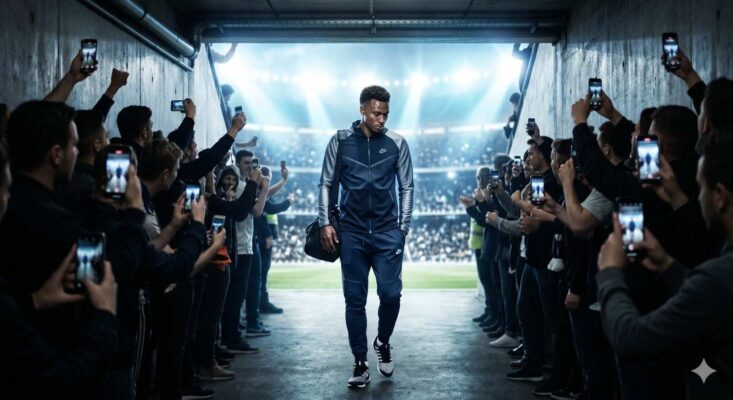
People once followed clubs for life. Today, many fans follow individuals first. The rise of athlete brands has quietly changed the way modern sports culture works, especially in the social media era where personality travels faster than loyalty.
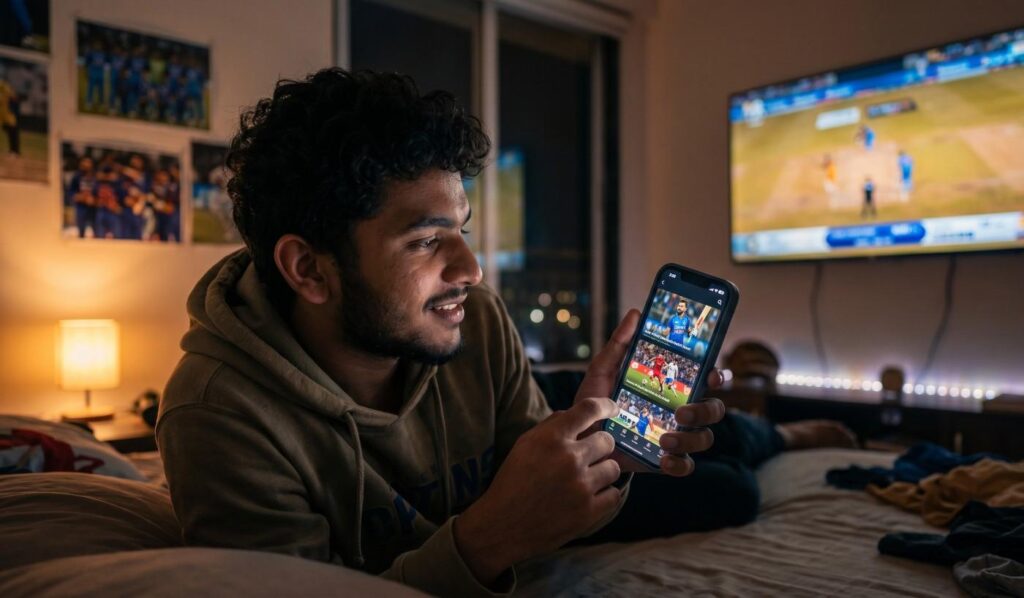
A teenager in India may wake up to watch Lionel Messi highlights without caring much about the league itself. Meanwhile, millions follow Virat Kohli for fitness routines, mindset clips, and lifestyle content beyond cricket. That shift says something bigger about attention, identity, and modern branding.
Athlete Brands Are Replacing Traditional Team Loyalty
For decades, teams carried emotional power because access to players felt limited. Fans saw athletes mainly during matches, interviews, or newspaper features. Social media changed that completely.
Now athletes speak directly to audiences through Instagram, YouTube, podcasts, and documentaries. Fans no longer wait for sports channels to shape narratives. Instead, athletes build personal worlds online.
That’s why younger audiences often connect more deeply with personalities than organizations.
Someone may support Inter Miami CF today simply because Messi joined. Another fan might buy sneakers because LeBron James wears them, not because of the team he plays for.
The emotional entry point has shifted from institution to individual.
Why Fans Connect More With Players Today
Teams are structured brands. Athletes feel personal.
Modern audiences are drawn toward vulnerability, routine, and authenticity. A locker-room photo, recovery vlog, or late-night tweet creates intimacy that traditional sports marketing never could.
Athlete Brands and Everyday Identity
Fans don’t just watch athletes anymore. They mirror them.
People copy hairstyles, training habits, fashion choices, even personality traits. The influence extends far beyond performance. In many ways, athletes now operate like lifestyle creators with competitive careers attached to them.
That’s partly why Cristiano Ronaldo remains one of the most followed public figures online. His discipline, branding consistency, and visual identity became recognizable even to people who barely watch football.
The athlete stops feeling distant. The athlete starts feeling familiar.
The Attention Economy Changed Sports Forever
The modern internet rewards speed, emotion, and recognizability. Athlete brands naturally fit that system.
Short-form platforms favor faces over institutions. A club logo rarely trends emotionally. A player reaction does.
One celebration clip from Neymar can travel across TikTok, reels, edits, memes, and fan pages within minutes. The content becomes culture before the match itself even ends.
Athlete Brands Work Better on Social Media
Teams usually communicate carefully because they protect sponsors, league relationships, and corporate identity. Athletes, however, can feel spontaneous.
That spontaneity matters online.
A personal post after a loss often creates more engagement than an official statement. Fans respond to emotion faster than branding language. Consequently, athletes become stronger media properties than the organizations behind them.
Even streaming platforms understand this shift. Netflix documentaries like Drive to Survive succeeded partly because viewers connected with individual personalities more than the sport’s technical side.
The Business of Athlete Brands Is Exploding
Brands no longer sponsor only performance. They sponsor identity.
Athletes today represent ambition, fashion, discipline, luxury, resilience, and lifestyle. That emotional positioning creates enormous commercial value.
A sports team reaches fans during matches. Athlete brands reach audiences every day.
That difference changes advertising strategy completely.
Companies now prefer creators and athletes who already own attention. It’s one reason partnerships involving Stephen Curry or Kohli feel bigger than traditional billboard campaigns. Their audiences already trust them emotionally.
According to modern sports marketing trends, influence now moves through personality-first ecosystems rather than organization-first systems.
Athlete Brands Are Changing How Young Fans Watch Sports
Many Gen Z viewers consume sports through clips, edits, reactions, and creator commentary instead of full matches.
That sounds negative at first, but it reveals something important: sports increasingly behave like entertainment ecosystems.
Fans discover leagues through personalities. They stay because stories keep evolving.
A teenager might first encounter Formula 1 through social media edits of Lewis Hamilton. Someone else may start watching the NBA because of LeBron interviews appearing on YouTube recommendations.
The athlete becomes the algorithmic gateway into the sport.
Athlete Brands Create Emotional Continuity
Teams change slowly. Athletes evolve publicly.
Fans watch careers unfold in real time: injuries, transfers, failures, comebacks, interviews, relationships, and reinventions. That long emotional timeline builds stronger attachment.
Interestingly, modern fans often remember athlete moments more vividly than championship results.
People remember Messi lifting the World Cup because it felt personal. They remember Kohli’s emotional celebrations because vulnerability travels farther than statistics.
The Future of Sports May Belong to Personal Brands
This doesn’t mean teams are becoming irrelevant. Stadiums, rivalries, and club histories still matter deeply.
However, the balance of power is shifting.
Athlete brands now shape conversations faster than sports organizations can. They influence fashion, music, internet culture, and even political discussions. In some cases, athletes hold more cultural relevance than the leagues themselves.
That shift reflects the modern world more than sports alone.
People increasingly trust voices over institutions. They follow individuals who feel emotionally recognizable. Sports simply became one of the clearest examples of that transformation.
And perhaps that’s the real reason athlete brands feel bigger now. Fans no longer just support talent. They follow stories that make them feel connected to something human.
If you enjoy culture-driven sports analysis like this, explore more articles on digital fandom, creator culture, and the future of attention-driven entertainment.