
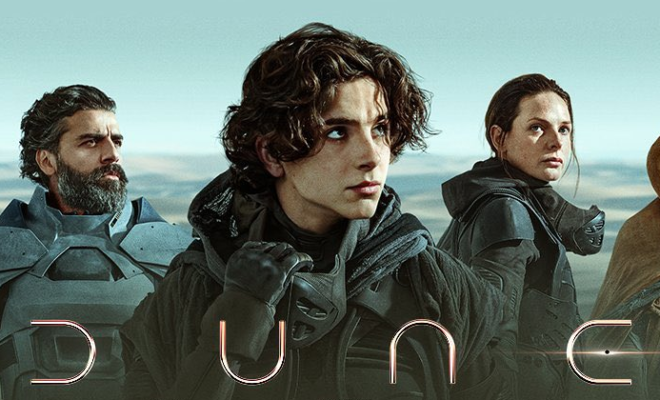
There’s a reason Dune modern cinema conversations keep appearing across film communities, YouTube essays, Reddit threads, and TikTok edits. The film didn’t just succeed commercially; it quietly shifted audience expectations around scale, pacing, and emotional immersion.
For years, blockbuster cinema moved toward louder visuals, faster edits, and constant stimulation. Then came Dune — a film that trusted silence, atmosphere, and patience in a way modern audiences rarely experience anymore. Surprisingly, people responded to it deeply.
What makes that reaction interesting is that Dune arrived during an era shaped by short-form attention. Streaming platforms, second-screen viewing habits, and algorithm-driven content changed how audiences consume stories. Yet this film slowed everything down and still became culturally massive.
Dune Modern Cinema Feels Bigger Than Spectacle
Many big-budget films aim to feel “epic.” However, Dune creates scale differently. Instead of overwhelming viewers with nonstop action, director Denis Villeneuve builds tension through atmosphere, sound, and visual restraint.
The desert landscapes feel lonely rather than decorative. Conversations carry weight because silence exists around them. Even the pacing feels intentional, almost meditative at times.
That approach changed how audiences emotionally process blockbuster filmmaking. Instead of watching scenes pass by quickly, viewers sit inside them.
Why Dune Modern Cinema Prioritizes Atmosphere
Modern franchises often fear stillness. Dune embraced it.
Composer Hans Zimmer created a score that feels physical rather than simply emotional. Meanwhile, cinematographer Greig Fraser used scale and shadow to make Arrakis feel ancient and alive.
As a result, the movie feels immersive instead of hyperactive. That distinction matters because audiences increasingly crave experiences that feel transporting rather than disposable.

Audiences Were Tired of Constant Noise
One overlooked reason behind the film’s success is cultural fatigue.
For over a decade, entertainment platforms trained audiences to expect faster pacing and endless stimulation. Apps like TikTok shortened attention spans while streaming culture normalized passive viewing.
Ironically, that overload created a hunger for slower, more intentional storytelling.
You can see the same shift happening elsewhere. Long-form podcasts exploded. Atmospheric games like Death Stranding built loyal communities despite unconventional pacing. Even prestige television began leaning into mood-driven storytelling again.
Dune arrived at the perfect cultural moment because it respected audience intelligence instead of constantly fighting for attention.
The Visual Language of Modern Blockbusters Changed
After Dune, many studios started chasing “cinematic immersion” rather than only visual spectacle.
You can already feel its influence across science-fiction marketing, sound design, and production aesthetics. Dust-filled environments, grounded costume design, minimalist dialogue, and large-format cinematography suddenly became desirable again.
More importantly, filmmakers realized younger audiences still value visual craftsmanship when the storytelling feels emotionally sincere.
Streaming Era Audiences Want Emotional Texture
The streaming era created endless content, but not always memorable experiences.
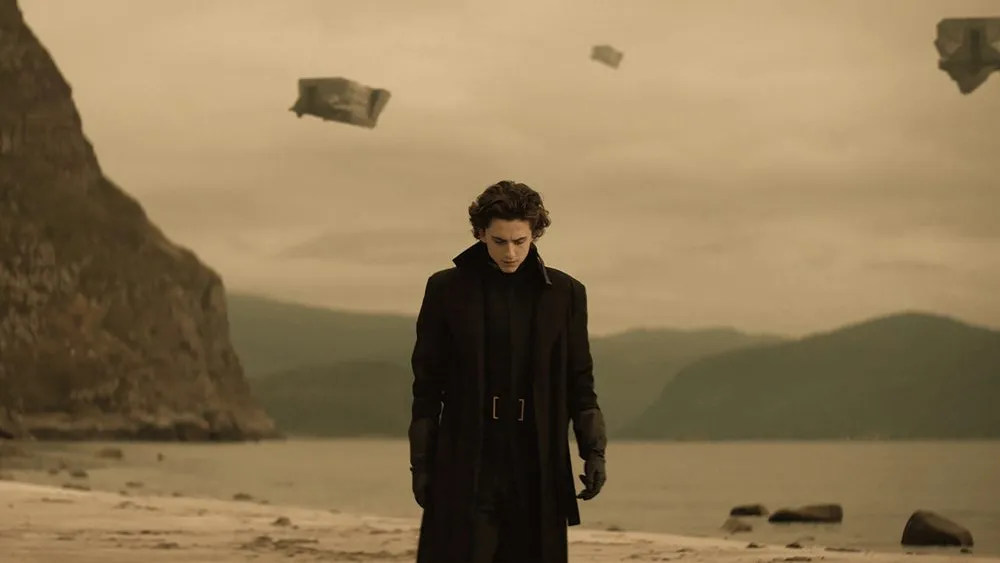
People scroll through dozens of shows every week and forget most of them instantly. Dune, on the other hand, leaves emotional residue. Certain images stay with viewers long after the credits end — Paul standing against endless sand, the arrival of the Bene Gesserit, or the haunting sound of the sandworms beneath Arrakis.
That emotional texture explains why audiences discuss the film beyond release week. It becomes part of identity and conversation, not just entertainment consumption.
Dune Modern Cinema Also Changed Masculinity On Screen
Another subtle shift happened through the portrayal of masculinity.
Characters in Dune rarely perform dominance in exaggerated ways. Timothée Chalamet’s version of Paul Atreides feels emotionally observant, uncertain, and introspective. Even powerful characters speak carefully rather than theatrically.
That feels very different from older blockbuster formulas built around invincible certainty.
Younger audiences increasingly connect with vulnerable or reflective protagonists because modern identity itself feels more emotionally exposed online. Social media culture rewards visibility, but it also creates pressure and anxiety. Films that acknowledge emotional complexity naturally resonate more deeply now.
Why the Industry Is Paying Attention
Hollywood notices cultural shifts quickly when money follows them.
The commercial success of Dune: Part Two proved audiences will still show up for ambitious theatrical experiences if the filmmaking feels intentional. Studios spent years blaming declining attention spans for safer creative decisions. Yet Dune demonstrated that audiences are not avoiding depth — they are avoiding forgettable storytelling.
That distinction could shape blockbuster filmmaking for years.
There’s also a branding lesson here. Modern audiences no longer separate visuals, music, emotion, and identity. They consume films as complete aesthetic experiences. Dune understood that instinctively.
Cinema Feels Different After Dune
Some films dominate a season. Others quietly reshape audience expectations.
Dune belongs to the second category. It reminded viewers that blockbuster cinema can still feel immersive, patient, intelligent, and emotionally cinematic without constantly chasing viral moments.
In many ways, the film succeeded because it resisted modern content behavior instead of copying it.
That’s why the conversation around Dune continues long after release dates, trailers, and awards cycles disappear. The movie didn’t simply entertain audiences. It changed how modern cinema feels — slower, heavier, more immersive, and strangely human again.
If this shift continues, the next era of blockbuster filmmaking may look far more atmospheric, emotionally restrained, and visually intentional than the algorithm-driven era that came before it.