
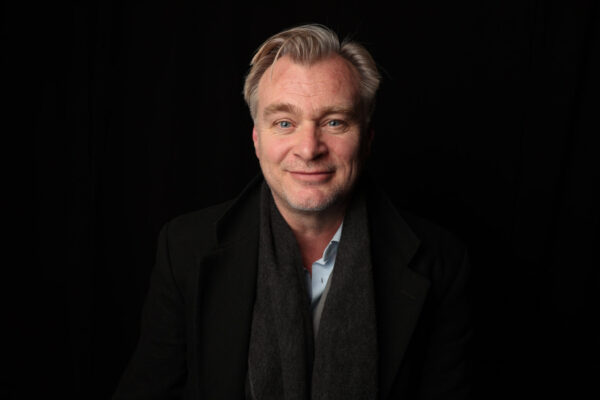
Christopher Nolan storytelling style stands out because his films rarely treat time as just a plot device. Instead, time becomes emotion itself — grief, memory, regret, urgency, love, and obsession all unfolding through structure rather than dialogue alone.
Most directors use time to organize events. Nolan uses it to make audiences feel what characters cannot say out loud.
That difference is why films like Interstellar, Inception, and Dunkirk continue to stay emotionally alive long after the credits roll. People may remember the spectacle first — collapsing cities, rotating hallways, ticking clocks — but what truly lingers is something quieter.
The loneliness of lost years.
The panic of running out of time.
The emotional weight of memory.
Modern cinema often confuses complexity with depth. Nolan’s work reminds audiences that structure itself can carry emotion when used with intention.
And perhaps that is why his films resonate so deeply with modern audiences living in an age where time constantly feels fragmented — endless scrolling, short attention spans, fast-moving careers, digital overload, and emotional exhaustion. Nolan does not simply show chaos. He translates modern psychological pressure into cinematic form.
Christopher Nolan Storytelling Style Makes Time Feel Human
Many filmmakers use nonlinear storytelling to surprise audiences. Nolan uses it to place viewers inside emotional experiences that characters themselves struggle to process.
That distinction matters.
In Memento, memory loss is not explained traditionally. The audience experiences confusion alongside the protagonist. In Dunkirk, three timelines move simultaneously because war itself destroys the normal perception of time.
The structure becomes empathy.
Christopher Nolan Storytelling Style and Emotional Distance
One criticism often directed at Nolan is that his films feel “cold.” Yet emotionally, his movies often operate through delayed realization rather than immediate sentiment.
Take Interstellar.
The emotional devastation of the film does not come from a speech or dramatic confession. It comes from time passing differently between a father and daughter. The famous video message sequence works because viewers suddenly feel years disappearing.
That is not traditional storytelling.
That is emotional architecture.
Why Modern Audiences Connect With Nolan’s Films So Deeply
Modern audiences live with constant psychological fragmentation.
Notifications interrupt conversations. Careers blur into personal identity. Social media compresses attention spans. Even memories now feel archived instead of lived.
Nolan’s films mirror that emotional reality.
His narratives often feel disorienting because modern life itself feels disorienting.
The Digital Era Changed How We Experience Emotion
Platforms like Instagram and TikTok have trained people to consume emotion quickly. Yet Nolan’s films demand patience.
He trusts audiences to sit inside uncertainty.
Ironically, that restraint makes his emotional moments hit harder than many dialogue-heavy films. In an entertainment culture obsessed with instant explanation, Nolan still allows silence, ambiguity, and delayed understanding.
That feels increasingly rare.
Christopher Nolan Storytelling Style Uses Time as Psychological Pressure
One of Nolan’s most powerful creative decisions is his understanding that time is rarely neutral emotionally.
Time creates anxiety.
Time creates guilt.
Time creates longing.
And his films repeatedly explore that truth.
The Clock Is Almost Always Emotional
In Oppenheimer, urgency is intellectual and moral. In Tenet, time inversion reflects confusion and instability. In The Prestige, obsession destroys identity over years.
Nolan understands something many directors overlook:
People rarely fear time because of clocks.
They fear what time changes.
That insight gives his films emotional gravity beneath technical complexity.
The Most Emotional Christopher Nolan Storytelling Style Moments Are Surprisingly Quiet
Despite the scale of his filmmaking, Nolan’s most unforgettable moments are often deeply restrained.
Not loud.
Not explosive.
Just emotionally precise.
Christopher Nolan Storytelling Style Works Through Restraint
Consider the ending of Inception.
People still debate the spinning top. Yet emotionally, the scene works because Cobb finally stops obsessing over certainty and chooses presence instead.
Or consider Murph saying, “Because my dad promised me,” in Interstellar. The line itself is simple. The emotional weight comes from everything time has already taken away.
Nolan rarely forces emotion aggressively.
He allows audiences to arrive there themselves.
That trust creates deeper engagement.
Nolan’s Films Reflect a Generation Obsessed With Productivity
One reason younger audiences connect with Nolan is that his characters often struggle with modern ambition itself.
His protagonists are frequently consumed by mission, achievement, responsibility, or obsession.
That feels familiar today.
Students chase impossible expectations. Professionals tie self-worth to productivity. Creators feel pressure to constantly produce relevance online.
Nolan’s cinema quietly reflects those anxieties.
Ambition in Nolan Films Often Comes With Isolation
Christopher Nolan repeatedly explores the emotional cost of greatness.
In Oppenheimer, achievement creates moral isolation. In The Prestige, obsession destroys intimacy. In Interstellar, duty separates family across galaxies and decades.
These are not simply movies about intelligence.
They are movies about sacrifice.
That emotional layer is why Nolan discussions continue far beyond film communities. His work touches broader cultural questions about ambition, identity, and emotional survival.
Real-World Influence Beyond Cinema
Nolan’s influence now extends beyond filmmaking itself.
You can see traces of his storytelling philosophy across modern entertainment culture.
Brands increasingly use nonlinear narratives in campaigns. YouTube video essays dissect emotional structure rather than just plot. Filmmakers openly reference Nolan when discussing immersive audience experiences.
Even creators on platforms like YouTube now design long-form storytelling with emotional pacing inspired by cinema rather than traditional internet content.
Meanwhile, publications like The New York Times and Variety frequently analyze how audiences engage with emotionally complex blockbuster filmmaking after Nolan reshaped mainstream expectations.
That cultural impact matters.
He proved audiences would still embrace intellectually demanding cinema if emotional stakes remained human.
Christopher Nolan Storytelling Style Quietly Changed Modern Filmmaking
Many blockbuster directors focus on scale first and emotion second.
Nolan often reverses that equation.
His spectacle works because emotional tension already exists underneath it.
That may be his greatest contribution to modern filmmaking.
He reminded audiences that complexity is meaningful only when connected to human feeling.
And perhaps the deeper reason his films resonate so strongly is this:
People do not actually fear complicated stories.
They fear emotionally empty ones.
Nolan’s films may bend time constantly, but emotionally they remain grounded in universal experiences — grief, memory, regret, hope, sacrifice, and love.
That is why viewers revisit them repeatedly.
Not to solve puzzles.
But to feel something different each time.
Conclusion
Christopher Nolan did not reinvent cinema simply through visual ambition or narrative complexity. He changed how mainstream audiences emotionally experience time itself.
That is a rare achievement.
In an era dominated by speed, distraction, and disposable content, his films still ask audiences to slow down, observe carefully, and sit with emotional uncertainty.
And maybe that is why his work continues to matter so deeply.
Because beneath the spectacle, the timelines, and the cinematic puzzles, Nolan keeps returning to one profoundly human truth:
Time changes everyone.
Cinema just gives us a way to feel it happening.
If you enjoy emotionally intelligent storytelling, filmmaking analysis, and culturally reflective cinema essays, explore more articles on modern directors, audience psychology, and narrative storytelling on our blog.
2 Comments
Slow Emotionally Quiet Films Are Resonating May 19, 2026
[…] growing love for slow emotionally quiet films is not simply a filmmaking trend. It reflects a deeper emotional shift happening within modern […]
Silent Performances Are Reshaping Cinema May 19, 2026
[…] Stillness Can Create More Tension Than Dialogue […]