
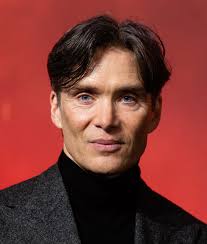
There’s a reason the phrase “Cillian Murphy quiet personality” keeps resonating with people online. In a world built around constant posting, nonstop opinions, and performative visibility, someone who stays calm, private, and emotionally measured suddenly feels rare.
Not because silence is mysterious. But because it feels honest.
Over the last few years, especially after Oppenheimer, audiences didn’t just become interested in Cillian Murphy as an actor. They became fascinated by the way he carries himself. No dramatic social media presence. No endless interviews designed to go viral. No loud personal branding strategy.
And strangely, that quietness became its own form of influence.
Why the Cillian Murphy Quiet Personality Feels Different Today
Modern internet culture rewards speed. As a result, the fastest opinion usually gets attention first.Platforms like TikTok, Instagram, and X constantly encourage visibility.
People who move differently naturally stand out today.
The Cillian Murphy quiet personality feels refreshing because it doesn’t compete for attention. It simply exists without asking permission to be noticed.
There’s something psychologically comforting about that. Especially for younger audiences who are exhausted by digital overstimulation.
The Cillian Murphy Quiet Personality and Emotional Presence
One of the most interesting things about quiet people is that they’re often remembered more intensely. Not because they say more — but because people listen more carefully when they finally speak.

Why the Cillian Murphy Quiet Personality Feels Memorable
In interviews, Murphy rarely tries to dominate conversations. His pauses feel natural. His answers feel considered instead of manufactured.
That creates emotional weight.
It’s similar to why certain scenes in Peaky Blinders stayed with audiences long after watching. Directors and writers often used silence more powerfully than dialogue. His performance as Thomas Shelby carried restraint instead of exaggerated emotion.
And restraint, when used honestly, can feel cinematic.
Quiet People Often Create Stronger Curiosity
The internet has changed how people perceive charisma. Years ago, people often mistook loudness for confidence. Today, however, audiences are becoming far more emotionally aware.
People now notice subtlety.
Creators on YouTube who speak calmly often build deeply loyal audiences. Podcasts with reflective conversations are outperforming chaotic debate formats. Even brands are slowly shifting toward softer storytelling and emotionally intelligent messaging.
Today, audiences no longer overlook quietness. Instead, they see it as intentional.
Beyond film culture, his presence resonates because it represents an alternative to constant self-promotion. He unintentionally represents an alternative to constant self-promotion.
What Modern Creators Can Learn From Quiet Confidence
A lot of creators believe they must always stay visible to remain relevant. But audiences are starting to value emotional clarity more than volume.
Quiet Confidence Creates Trust
There’s a difference between hiding and protecting your energy.
Murphy rarely overshares his personal life, yet audiences still feel emotionally connected to him. That connection comes from consistency. People trust personalities that don’t constantly shape-shift for engagement.
It’s similar to why directors like Christopher Nolan continue attracting loyal audiences. Their work feels focused. Intentional. Unrushed.
Quiet confidence communicates stability in a culture built on reaction.
The Internet Is Loud Because Everyone Is Afraid of Being Forgotten
One of the more uncomfortable truths about modern digital life is this: many people are terrified of disappearing.
So they keep posting. Refreshing. Performing. Explaining themselves endlessly.
But quiet people often understand something different. Presence is not always built through noise. Sometimes it’s built through depth.
That’s why certain conversations stay in our minds for years. That’s why certain actors feel unforgettable without constantly appearing everywhere. Emotional impact rarely comes from volume alone.
Sometimes a calm presence cuts deeper than the loudest performance in the room.
Why the Cillian Murphy Quiet Personality Reflects Modern Burnout
Part of Murphy’s growing cultural relevance also reflects collective exhaustion.
After years of algorithm-driven attention culture, people are craving slower energy. Softer personalities. Less performance.
Even fashion campaigns and film marketing have started shifting toward quieter aesthetics. You can see it in brands choosing muted visuals, cinematic storytelling, and emotionally reflective campaigns instead of hyperactive advertising.
The success of Oppenheimer wasn’t just about spectacle. It also reminded audiences how powerful stillness can feel when surrounded by chaos.
That emotional contrast matters.

Silence Is Not Weakness — It’s Selective Energy
The biggest misunderstanding about quiet people is assuming they lack confidence.
Often, it’s the opposite.
Eventually, some people stop talking excessively because they no longer need constant validation from the room. They become more selective with their attention, emotions, and words.
That’s why the Cillian Murphy quiet personality resonates so deeply right now. It reflects a kind of calm self-awareness many people secretly want but rarely experience online.
And maybe that’s the deeper reason audiences connect with him.
Not because he tries to dominate culture.
But because he reminds people they don’t have to.
Conclusion
In a digital world obsessed with visibility, quietness has become unexpectedly powerful. Cillian Murphy represents something many modern audiences miss emotional restraint, thoughtful presence, and confidence without performance.
For creators, introverts, and emotionally reflective people, there’s an important reminder in that.
You do not need to become louder to become memorable.
Sometimes the people who leave the deepest impact are the ones who never tried too hard to be seen in the first place.
If this perspective resonated with you, explore more articles on emotional intelligence, modern culture, psychology, and digital behavior to continue building a calmer, more intentional perspective online.