
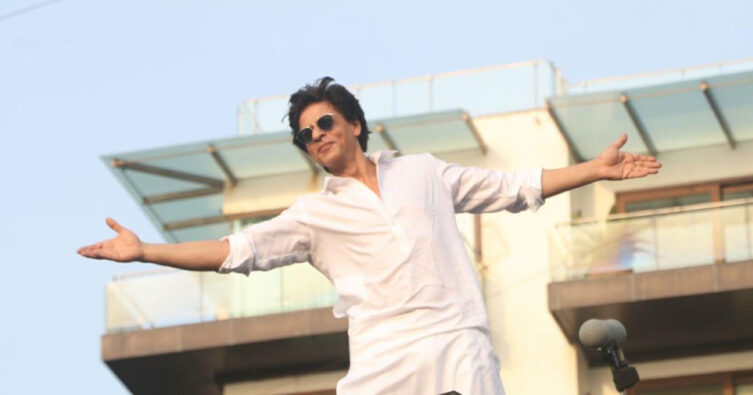
Shah Rukh Khan cultural influence cannot be explained through box office numbers alone. Millions of people across generations feel emotionally connected to his journey because it reflects something deeper than celebrity: survival, ambition, heartbreak, reinvention, and hope.
That connection did not happen accidentally. Over the years, Shah Rukh Khan became more than a film star. He evolved into a symbol of emotional resilience for people navigating uncertainty in their own lives. His story feels personal because audiences never simply watched him succeed they watched him struggle, adapt, fail publicly, return stronger, and still remain emotionally expressive in a culture that often rewards emotional distance.
For many Indians who grew up in the 1990s and 2000s, his rise mirrored the country’s own transition. India was opening itself to new ambitions, new media, and new dreams. At the same time, Shah Rukh Khan carried an energy that felt unusually human. He looked hungry, restless, imperfect, and emotionally alive.
That combination changed everything.
Why Shah Rukh Khan Cultural Influence Goes Beyond Stardom
Most celebrities become famous because audiences admire them. Very few become culturally personal. Shah Rukh Khan belongs to the second category.
His appeal has never been based only on perfection. In fact, part of his emotional power comes from vulnerability. Whether in interviews, award speeches, or films, he often appears emotionally transparent rather than emotionally protected.
Audiences notice that difference.
During difficult phases in his career, especially after a series of underperforming films before Pathaan, many public figures would have disappeared into silence. Instead, Shah Rukh Khan remained composed, reflective, and self-aware. That public patience made people respect him even more.
Interestingly, modern creators on platforms like YouTube and Instagram now build audiences using the same emotional principle: relatability over untouchable perfection.
People no longer connect only with success. They connect with emotional honesty.
Shah Rukh Khan Cultural Influence and the Idea of Reinvention
One reason younger audiences still relate to him is his ability to reinvent himself without losing emotional familiarity.
Reinvention Without Losing Identity
Many celebrities evolve by abandoning their earlier selves completely. Shah Rukh Khan rarely did that. Even when cinema trends shifted toward hyper-masculine action heroes, he retained emotional warmth within his screen presence.
That balance matters.
Viewers who watched Dilwale Dulhania Le Jayenge years ago could still recognize emotional traces of the same person in Pathaan or Jawan. The style changed, but the emotional core remained intact.
That consistency built trust over decades.
The Pressure Behind Public Reinvention
Modern professionals experience a similar emotional challenge today. LinkedIn encourages reinvention. Social media rewards constant upgrades. Careers increasingly demand visible growth.
Yet many people quietly fear becoming unrecognizable to themselves.
Shah Rukh Khan’s journey reflects a healthier version of ambition. He adapted repeatedly without emotionally disconnecting from his audience or identity.
That may be one of the most underrated reasons his influence lasts.
The Emotional Intelligence Behind Shah Rukh Khan Cultural Influence
A surprising part of Shah Rukh Khan’s impact comes from emotional intelligence rather than stardom itself.
He understands performance, but he also understands emotion as communication.
In interviews, he often mixes wit with vulnerability. He can appear charismatic without sounding emotionally distant. That combination feels rare in celebrity culture, where public personas are increasingly over-managed.
When Audiences See Their Own Struggles
Many people who grew up middle-class in India saw parts of themselves in his ambition.
He did not come from a film dynasty. He experienced personal loss early in life. He entered an industry filled with uncertainty and hierarchy. Yet his confidence never looked inherited. It looked built through persistence.
That distinction emotionally matters.
For students preparing for competitive exams, freelancers building unstable careers, or creators trying to gain visibility online, his story feels psychologically familiar: keep going even when the world stops validating you.
That emotional narrative is far more powerful than fame alone.
Cinema Turned Shah Rukh Khan Into a Shared Cultural Memory
Some actors become attached to films. Shah Rukh Khan became attached to life moments.
People remember watching Kal Ho Naa Ho during heartbreak. Families remember gathering around television premieres during festivals. College students still quote dialogues from Chak De! India during moments of motivation.
His films became emotional timestamps.
That is why discussions around him often feel unusually personal online. When Jawan released, social media did not react like audiences were merely supporting an actor. Many reacted emotionally, almost protectively, as if witnessing someone they had grown up with reclaiming his place.
That kind of loyalty cannot be manufactured through marketing alone.
It forms slowly through years of emotional association.
Shah Rukh Khan Cultural Influence in the Digital Era
Interestingly, the digital age strengthened his cultural relevance instead of weakening it.
Memes, Edits, and Emotional Virality
Today, younger audiences discover celebrities through clips, edits, reactions, and short-form content. Shah Rukh Khan’s interviews regularly go viral because they feel emotionally quotable.
Lines about failure, love, confidence, or loneliness spread quickly because they sound reflective rather than scripted.
This mirrors a larger internet trend: audiences increasingly reward emotional intelligence over polished perfection.
Even global creators and entrepreneurs now build communities through authenticity-driven storytelling rather than authority alone.
Why Younger Generations Still Connect With Him
Gen Z audiences grew up in an emotionally exhausting digital environment. Constant comparison, performance pressure, and identity anxiety shape everyday life online.
In that atmosphere, Shah Rukh Khan represents something psychologically comforting: ambition with emotional depth.
He appears driven without becoming emotionally robotic.
That balance feels increasingly rare.
The Loneliness Hidden Inside Public Greatness
One of the most powerful aspects of his journey is the loneliness that quietly accompanies visibility.
Great fame often creates emotional isolation. Public figures become symbols before they remain people.
Yet Shah Rukh Khan occasionally allows audiences to glimpse the emotional weight beneath success. Whether discussing loss, fatherhood, aging, or pressure, he rarely speaks like someone disconnected from ordinary emotion.
That honesty humanizes him.
Success Often Changes Human Relationships
This is not unique to celebrities. Many ambitious people eventually experience a quieter version of the same thing.
As careers grow, relationships change. Expectations increase. Privacy shrinks. Performance becomes constant.
People celebrate your success while slowly losing access to the version of you that existed before achievement.
Shah Rukh Khan’s story reflects that emotional cost in a visible way.
Perhaps that is why so many people feel protective toward him. Audiences sense the loneliness hidden beneath extraordinary success.
What Readers Can Learn From His Journey
The most meaningful part of Shah Rukh Khan’s legacy may not be cinematic at all.
It may be emotional.
He reminds people that ambition does not require emotional numbness. Reinvention does not require abandoning identity. Confidence can coexist with vulnerability.
In a culture increasingly obsessed with optics, that message feels surprisingly rare.
Many public figures teach audiences how to appear successful. Shah Rukh Khan accidentally taught millions how to remain emotionally human while chasing success.
That difference is why his journey continues to feel personal.
Conclusion
Shah Rukh Khan’s story still resonates because people do not merely see an actor when they look at him. They see ambition shaped by grief, discipline shaped by uncertainty, and confidence shaped through persistence.
More importantly, they see someone who remained emotionally expressive in a world that often rewards emotional detachment.
That is why his influence extends beyond cinema. His journey became emotionally symbolic for an entire generation trying to survive pressure while holding onto identity.
And perhaps that is what true cultural influence really means: becoming part of how people understand themselves.