
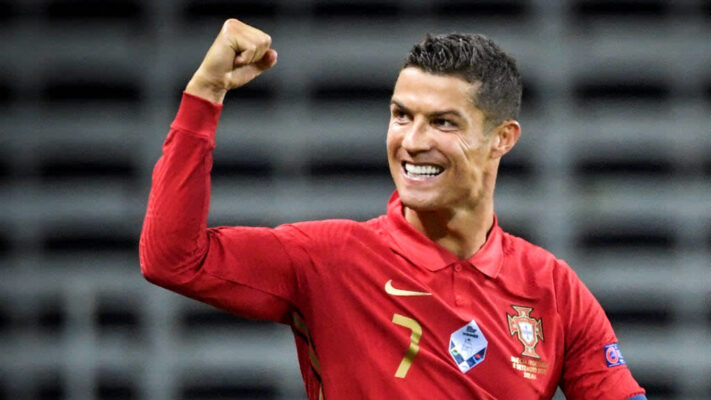
The phrase Cristiano Ronaldo mentality is often used to describe discipline, confidence, and relentless ambition. Yet behind the trophies, records, and celebrations, there is another side to greatness that people rarely discuss honestly.
Elite ambition can become isolating.
For nearly two decades, Cristiano Ronaldo has lived inside a level of pressure most people cannot fully imagine. Every performance became global news. Every decline triggered debate. Every goal felt expected rather than extraordinary.
At some point, success stops feeling like achievement and starts feeling like responsibility.
That emotional weight is part of what makes Ronaldo so fascinating to millions of people around the world. Fans do not only admire his football ability. They recognize the loneliness that often exists behind obsessive greatness.
And in modern culture, many quietly relate to that feeling more than they admit.
Why Cristiano Ronaldo Mentality Feels Bigger Than Football
Some athletes become symbols for an entire mindset.
Ronaldo represents something emotionally intense about modern ambition the belief that relentless self-improvement can overcome almost anything. That message resonates deeply in a generation raised on competition, visibility, and constant comparison.
Young professionals chasing promotions understand the pressure of consistency. Creators trying to stay relevant online recognize the fear of decline. Students preparing for difficult exams relate to the obsession with performance.
Ronaldo’s story feels personal because modern life increasingly rewards the same traits that built his career: discipline, endurance, visibility, and mental resilience.
However, those qualities often come with emotional cost.
The Difference Between Talent and Obsession
Football has always celebrated gifted players. Ronaldo became something different.
Unlike naturally effortless icons, he built his identity around visible work ethic. Fans watched him transform physically, mentally, and tactically over time. That evolution made people believe greatness could be engineered through discipline.
Yet obsession changes people quietly.
When someone spends years optimizing every detail of their life, ordinary experiences begin disappearing. Spontaneity fades. Rest becomes difficult. Relationships sometimes struggle under ambition’s weight.
That pattern exists far beyond sports.
In many ways, Ronaldo reflects the psychology of modern high performers everywhere.
Cristiano Ronaldo Mentality and the Fear of Slowing Down
One of the most human aspects of Ronaldo’s journey is his relationship with aging.
Most people experience aging privately. Public figures experience it under stadium lights.
For years, Ronaldo represented physical perfection in football culture. His speed, athleticism, recovery, and consistency felt almost unnatural. Consequently, audiences became emotionally attached to the idea of him remaining unstoppable forever.
But elite sports never allow permanence.
The Psychological Pressure of Remaining Exceptional
As younger stars like Kylian Mbappé and Erling Haaland emerged, conversations around Ronaldo subtly changed. The discussion stopped being about whether he was elite and became about whether he could remain elite.
That distinction matters psychologically.
Many ambitious people struggle with the same fear in quieter ways. Professionals worry about becoming replaceable. Creators fear losing relevance online. Entrepreneurs fear irrelevance in rapidly changing industries.
Ronaldo’s relentless training routines and visible competitiveness often feel connected to something deeper than vanity. They reflect resistance against decline itself.
And honestly, that fear is deeply human.
The Isolation Hidden Inside Elite Discipline
Discipline looks inspiring from the outside. Living inside it every day is different.
The internet often romanticizes “grind culture” through motivational clips, gym edits, and productivity content. Platforms like TikTok and Instagram transformed discipline into an aesthetic.
Ronaldo became one of the defining symbols of that culture.
Still, people rarely talk about what intense discipline removes from life.
Cristiano Ronaldo Mentality and Emotional Distance
Elite performers frequently operate differently from people around them. Their schedules become rigid. Their standards become exhausting. Their identity becomes tied to output.
That emotional distance can create loneliness even in crowded rooms.
Ronaldo’s career occasionally reflected this tension publicly. Former teammates, media narratives, and fan reactions often framed him as intensely driven, demanding, or emotionally difficult. Yet many high achievers experience similar misunderstandings.
People admire obsession from afar but struggle to live beside it closely.
That contradiction makes Ronaldo culturally fascinating. He represents both aspiration and sacrifice simultaneously.
Why Cristiano Ronaldo Became a Symbol of Modern Ambition
The digital era amplified Ronaldo beyond football.
Every goal celebration became content. Every interview became debate material. Every emotional reaction turned into viral clips shared across millions of screens.
Eventually, Ronaldo stopped feeling like only an athlete. He became a symbol of extreme self-belief.
Social Media Changed Athlete Identity
Before social media, athletes existed mostly during matches. Modern stars exist continuously.
Ronaldo mastered visibility better than almost anyone in sports history. His presence across platforms transformed him into a global lifestyle figure connected to fitness, discipline, luxury, confidence, and aspiration.
Brands understood this emotional influence quickly. Partnerships with Nike and other global campaigns positioned him not just as a footballer but as an embodiment of elite performance culture.
Young audiences absorbed that message deeply.
Today, countless creators imitate his routines, mindset language, celebrations, and work ethic. Even motivational business content frequently references Ronaldo when discussing resilience or consistency.
That crossover into broader ambition culture is why his influence feels larger than football itself.
The Human Cost of Becoming a Global Icon
Modern audiences celebrate greatness aggressively, but they rarely understand the emotional burden attached to it.
When someone becomes a symbol, people stop seeing them as fully human.
Ronaldo’s career demonstrates that tension repeatedly. Public expectations became impossibly high because excellence eventually looked normal coming from him. A season that would define another athlete’s career sometimes counted as disappointment for Ronaldo.
That level of scrutiny changes people psychologically.
Success Does Not Always Reduce Loneliness
One of the most overlooked truths about ambition is that achievement often creates emotional separation instead of emotional closeness.
The more exceptional someone becomes, the harder ordinary connection sometimes feels.
This reality appears across industries. Founders, celebrities, elite athletes, and creators frequently describe isolation despite massive visibility. Public admiration does not automatically create emotional intimacy.
In fact, it can replace it.
That is partly why Ronaldo’s quieter moments often feel unexpectedly powerful. A tired expression after a loss. Silence during criticism. Emotional reactions during national anthems. Those moments briefly reveal the human being beneath the machine-like image.
And audiences connect to that vulnerability immediately.
Cristiano Ronaldo Mentality Reflects Modern Culture Itself
Perhaps the reason Ronaldo remains culturally important is because he mirrors the emotional contradictions of modern society.
People today are encouraged to optimize constantly — physically, financially, professionally, and socially. Rest often feels unproductive. Slowing down creates anxiety. Visibility becomes tied to worth.
Ronaldo represents the extreme version of that mindset.
Yet his story also quietly exposes the emotional cost behind endless performance.
The Modern Relationship With Achievement
There is an interesting reason younger audiences continue gravitating toward athletes like Ronaldo.
His story reflects a deeper cultural fantasy: the belief that complete control over yourself can protect you from failure, criticism, insecurity, or irrelevance.
However, even Ronaldo could not escape pressure completely.
That realization makes his journey strangely comforting. It reminds people that ambition does not eliminate vulnerability. Sometimes it magnifies it.
And maybe that is why his career feels emotionally compelling beyond football statistics.
What Readers Can Learn From Cristiano Ronaldo Mentality
The most valuable lesson from Ronaldo’s story is not simply “work harder.”
It is more nuanced than that.
Discipline matters. Consistency matters. Self-belief matters. However, identity cannot survive forever on achievement alone.
Many ambitious people eventually discover that external success and internal peace are not automatically connected. Modern culture rarely discusses that honestly because nonstop ambition photographs better than emotional balance.
Ronaldo’s journey reflects both the beauty and loneliness of extreme greatness.
That complexity is exactly what makes him unforgettable.
Conclusion
Cristiano Ronaldo became more than a footballer because people saw something emotionally recognizable inside his obsession with greatness.
They saw sacrifice.
They saw pressure.
They saw discipline so intense that it occasionally looked isolating.
Most importantly, they saw a human being trying to outrun limits in a world obsessed with performance. That struggle resonates far beyond stadiums because modern life increasingly asks ordinary people to chase extraordinary versions of themselves too.
Perhaps that is why Ronaldo continues to fascinate millions even beyond football.
His story is not only about winning.
It is about what relentless ambition quietly demands from a person over time.
1 Comment
Lionel Messi Leadership Style and Modern Sports May 18, 2026
[…] phrase Lionel Messi leadership style resonates far beyond football conversations. In an era obsessed with loud confidence, personal branding, and constant visibility, […]