
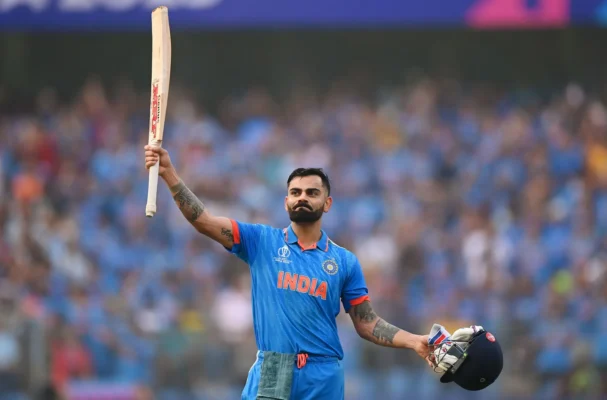
There are athletes who win trophies, and then there are personalities who quietly shape how an entire generation sees ambition, pressure, confidence, and self-worth. The phrase Virat Kohli cultural influence feels bigger than sports because his journey stopped being only about cricket years ago.
For millions of young Indians, Virat Kohli became a mirror of modern aspiration. He represented hunger without apology. He showed emotion without hiding it. More importantly, he arrived at a moment when young people were learning how to survive competition, comparison, burnout, and visibility in the digital age.
That is why his story travels beyond stadiums.
He became part of conversations about discipline, masculinity, pressure, identity, fitness, and personal transformation. Even people who stopped watching cricket still knew when Kohli was struggling, fighting criticism, or making a comeback. Somehow, his career felt emotionally personal to strangers.
And that rarely happens by accident.
Why Virat Kohli Cultural Influence Feels Deeply Personal
Most sports stars are admired from a distance. Kohli felt closer.
Part of that came from timing. India entered a hyper-digital era during the rise of his career. Young professionals were building LinkedIn identities, creators were chasing algorithms, and students were learning to measure themselves through performance. At the same time, Kohli embodied relentless self-improvement in public.
People did not only watch him score runs. They watched him evolve.
Early in his career, he looked fiery, reactive, emotional, and occasionally reckless. Years later, he appeared sharper, calmer, fitter, and more self-aware. That transformation resonated because many people were trying to reinvent themselves too.
A student preparing for competitive exams understood his obsession with preparation. A start up founder related to the pressure of consistency. Fitness creators connected with his discipline. Even corporate professionals saw something familiar in his intensity.
The connection became cultural instead of athletic.
Virat Kohli Cultural Influence and the Rise of Visible Discipline
Previous generations admired talent. Modern audiences admire routines.
That difference matters.
Social media changed how success is perceived. Platforms like Instagram and YouTube made people obsessed with process, habits, and personal branding. Kohli entered that environment perfectly.
His training sessions, diet changes, recovery focus, and fitness transformation became part of public storytelling. Suddenly, discipline itself became aspirational.
Why His Fitness Journey Changed Perception
Before Kohli, elite fitness culture was not central to Indian cricket conversations. However, his transformation normalized professionalism at another level.
Young audiences began associating discipline with identity rather than punishment.
Gyms in Indian cities increasingly used his posters. Fitness influencers referenced his routines. Brands noticed the shift too. Campaigns stopped portraying athletes as naturally gifted heroes and started framing them as people built through relentless habits.
That psychological shift extended far beyond sports.
The Emotional Leadership People Saw in Virat Kohli
Leadership often becomes memorable when it feels human rather than polished.
Kohli never looked emotionally distant. He celebrated aggressively, argued openly, reacted visibly, and occasionally broke down under pressure. Ironically, those imperfections strengthened his connection with audiences.
The Difference Between Image and Authenticity
Modern audiences can sense performance quickly. Carefully manufactured personalities rarely create lasting emotional loyalty anymore.
Kohli’s public image felt messy at times, but it felt real.
When India lost important matches, fans watched his frustration. When he struggled through poor form between 2020 and 2022, conversations about burnout and mental exhaustion became surprisingly common online. People were not just analyzing cricket statistics anymore. They were discussing emotional pressure.
That period mattered culturally.
For many professionals dealing with silent burnout after the pandemic, Kohli’s visible struggle felt strangely relatable. His eventual comeback during the 2022 ICC Men’s T20 World Cup became emotional because audiences had witnessed vulnerability before redemption.
The famous innings against Pakistan in Melbourne did not only feel like a cricket moment. For many fans, it felt symbolic of resilience itself.
Why Virat Kohli Cultural Influence Extends Beyond Cricket
The strongest public personalities eventually stop representing their profession alone.
Michael Jordan became larger than basketball. Cristiano Ronaldo became larger than football. Similarly, Kohli evolved into something broader than cricket in India.
He represented intensity in an era that rewards visibility.
At the same time, he represented self-belief in a culture that often teaches restraint. Young Indians saw someone unapologetically ambitious without sounding guilty about it.
That combination created emotional magnetism.
The Modern Masculinity Shift
One overlooked aspect of Kohli’s rise is how he subtly changed perceptions around masculinity among younger audiences.
Older sports cultures often celebrated emotional detachment. Kohli represented something different — emotional openness combined with competitiveness.
He publicly spoke about mental struggles, relationships, fitness discipline, and personal growth. His relationship with Anushka Sharma also shifted public perception because audiences saw emotional partnership instead of stereotypical celebrity distance.
For younger audiences, that mattered more than people realized.
The Internet Amplified Virat Kohli Cultural Influence
The digital era did not just broadcast Kohli’s career. It transformed him into a shared emotional experience.
Every expression became a meme. Every celebration became a reel. Every failure became a national conversation.
That intensity could have destroyed public affection. Instead, it deepened engagement.
Fans No Longer Follow Athletes Quietly
Modern fandom is participatory.
People edit tribute videos, create motivational clips, analyze interviews, debate body language, and attach personal emotions to public figures. Kohli became central to internet sports culture because he consistently gave audiences emotionally charged moments.
A teenager editing Kohli highlights on CapCut is not merely celebrating cricket. They are building identity through someone else’s story.
That is an entirely modern phenomenon.
Brands understood this emotional gravity quickly. Campaigns from Puma India and collaborations connected him not just with sports but with ambition, confidence, and modern lifestyle culture.
Consequently, Kohli became part athlete, part emotional symbol, part digital-era personality.
The Pressure of Being a Symbol for a Generation
There is also a hidden cost to becoming culturally larger than your profession.
People stop seeing the person separately from the meaning attached to them.
Kohli’s every performance eventually carried emotional weight far beyond cricket. Fans projected their own frustrations, hopes, and insecurities onto him. During difficult periods, criticism became deeply personal because audiences emotionally invested in what he represented.
That pressure reflects modern celebrity culture itself.
Today, public figures are expected to inspire continuously. Audiences rarely allow complexity, fatigue, or decline. Yet Kohli’s career remains compelling partly because people witnessed all phases — dominance, arrogance, criticism, reinvention, silence, and resurgence.
Perfection rarely creates emotional loyalty.
Human struggle does.
What Young Professionals Can Learn From Virat Kohli Cultural Influence
The biggest lesson from Kohli’s story may not be about winning.
It may be about intentional evolution.
He consistently adapted — physically, mentally, emotionally, and professionally. While many public figures protect old versions of themselves, Kohli repeatedly rebuilt his identity in public view.
That willingness to evolve matters in modern life too.
Students outgrow old ambitions. Creators change styles. Professionals reinvent careers after burnout. Entrepreneurs rebuild after failure. Kohli’s journey resonates because it reflects that uncomfortable but necessary process of becoming.
Discipline Alone Is Not the Real Story
People often reduce Kohli’s influence to work ethic. However, the deeper reason audiences connect with him is emotional visibility.
He made ambition look human.
Not neat. Not always graceful. Not endlessly motivational.
Human.
And perhaps that is why an entire generation still sees something personal in his story.
Conclusion
Great athletes create records. Rare personalities create emotional eras.
Virat Kohli became more than a cricketer because he arrived at a cultural moment when young people desperately needed visible examples of resilience, reinvention, ambition, and emotional honesty.
His influence stretches across cricket, fitness, internet culture, identity, and modern masculinity because audiences never saw him as just a player. They saw parts of themselves inside his journey.
That is what transforms success into cultural permanence.
And long after statistics fade, that emotional connection is usually what remains.