
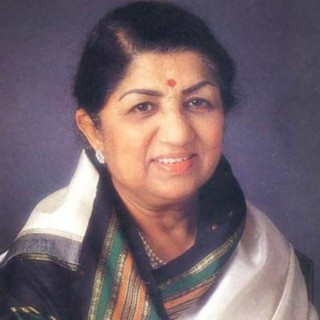
Lata Mangeshkar: The Voice That Became India’s Emotion
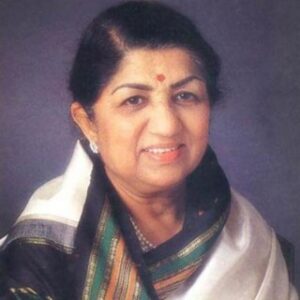
Some voices entertain us. Some voices stay with us. And then there are voices that quietly become a part of our lives, like our memories, our feelings, and our silences. Lata Mangeshkar has become a rare treasure in this world. She has expressed emotions that may have never been able to be conveyed using just words alone.
For over 50 years, her voice has filled our homes, theatres, radios, and hearts, and has become such an important part of the emotional makeup in India.
A Presence, Not Just a Singer
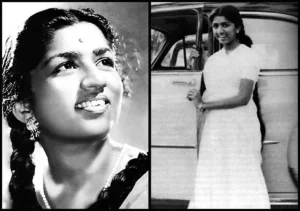
In the year 1929, Lata Mangeshkar was born into an era where music presented very little in terms of both opportunities and standards for artists trying to establish themselves. What she ultimately achieved was unimaginable; she carved a path that would help to cement her legacy for all time, as her body of work would touch the lives of millions of individuals for over 70 years.
She recorded thousands of songs, sang in over thirty different languages and collaborated with many different artists in the film industry throughout her career. However, no set of numbers will ever equate to the significance of Lata Mangeshkar — It isn’t about the sheer number of songs, it’s about the impact that those songs have on the hearts of people that made her SPECIAL!
Why Her Voice Felt Different
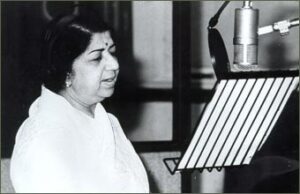
The singing voice of Lata Mangeshkar was both powerfully breath taking yet delicately soft; it had the ideal amount of sentimentality and restraint through expression and nuance. She performed love songs, heartbreak songs, devotional songs or patriotic songs in such a way that even if she sang human emotions no better than anyone else, she interpreted them with greater authenticity. When Lata sang sad songs, you felt it was coming from within her own heart. When she sang romantic songs, you felt like she was singing to God. It would seem that when she sang for her country, she was actually singing from the heart to God.
Additionally, songs such as “Tere Bina Zindagi Se,” “Lag Jaa Gale,” and “Aye Mere Watan Ke…Simply put, these songs weren’t merely played, they were never lost to memory and they never died.
Songs That Became Life’s Background Music
For most Indians, the voice of Lata Mangeshkar was merely in the background of the most crucial events of their lives.
Her songs were present in:
- long train rides,
- old radios in homes,
- weddings and celebrations,
- breakups and lonely nights.
The same feeling was experienced even though different generations listened to different songs. Children grew up hearing Lata Mangeshkar’s voice, which was associated with coziness and warmth, as her songs were passed down from parents to their offspring.
That is not fame—that is legacy.
Grace, Discipline, and Silence
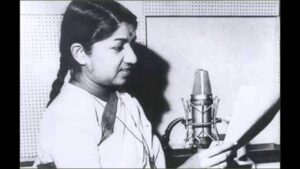
Nevertheless, Lata Mangeshkar has led a modest and graceful life despite her unmatched success. She has let her art speak for her. In a world full of noise, she has been composed, focused, and ever respectful of music.
Awards were only natural to follow her—Bharat Ratna, Padma Vibhushan, National Awards—but she has never sought them. She has remained committed to her craft, convinced that music itself is the greatest award.
An Irreplaceable Legacy
When Lata Mangeshkar left this world, something changed. Not loudly, not suddenly—but quietly. It felt like a familiar presence had gone silent.
Yet, her voice never truly left.
It lives on:
- in playlists,
- in memories,
- in moments when words fall short.
There may always be newer voices, and various styles will always change, but there are/ have been some that can never compare. Lata Mangeshkar’s voice is one that exists in that eternal zone where all legends reside forever.
A Voice That Will Never Fade

Legends don’t disappear.
They echo.
Long after the last note has vanished, Lata Mangeshkar’s voice will still comfort, inspire, and unite generations. The Nightingale of India was only one aspect of her. She was India’s voice in music, and she always will be.